How to do a Deadlift
The deadlift lifts a loaded bar off the floor or hinges it down your legs to build the hamstrings, glutes, and back. The RDL variations are a hip-hinge; conventional, sumo, and trap-bar pulls start from the floor and bend the knees too. Either way, a neutral spine and full lockout are the goal. CalmArms grades every rep A–F, hands-free.
Muscles: Hamstrings · Glutes · Erectors · Lats
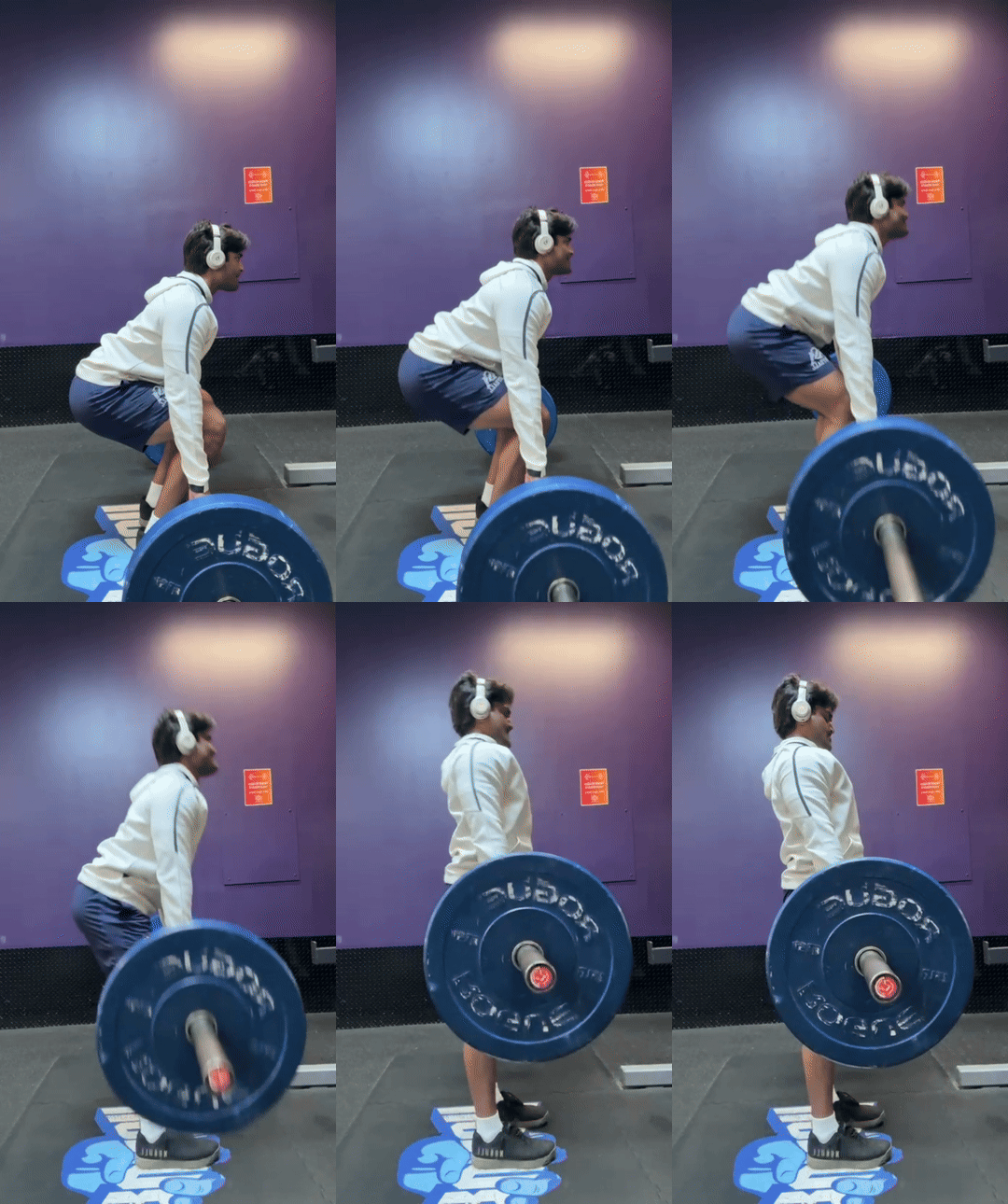
Demonstration: Conventional Deadlift
How to do it with clean form
- 1
Set up with the camera to your side, full body in frame.
- 2
For RDLs, hinge at the hips and let the weight travel down your legs; for floor pulls, sit into the bar and drive up from the floor.
- 3
Keep your spine neutral and the bar close to your legs throughout.
- 4
Lock out tall at the top: hips through, shoulders back.
Common deadlift mistakes CalmArms catches
Rounding the lower back under load.
Letting the bar drift away from the legs.
On RDLs, turning the hinge into a squat; on floor pulls, stiff-legging a pull that should bend the knees.
Not reaching a full stretch at the bottom or full lockout at the top.
How CalmArms grades the deadlift
CalmArms reads your hip-hinge depth and spine position on RDLs. For floor pulls (conventional, sumo, trap-bar) it also expects the knees to bend to reach the bar and extend to lockout, so a real floor pull no longer loses points for normal knee bend. A clean pull to full lockout grades highest.
Variations graded
Grade your deadlift on your next set.
Prop your phone and lift. CalmArms counts every rep and grades your form A–F, hands-free. On-device, no video uploaded.